
Bathroom walls need to handle more than just good looks—they have to stand up to moisture, splashes, and daily wear. With so many material options out there, it can be hard to know what works best in each part of your bathroom.
This guide breaks down six popular wall materials, from classic tiles to newer options like SPC wall panels. We’ll look at how they compare in water resistance, style, cost, and ease of installation—so you can pick the right one for your space and needs.
How to Choose Bathroom Wall Materials?
Wet vs. Dry Zones
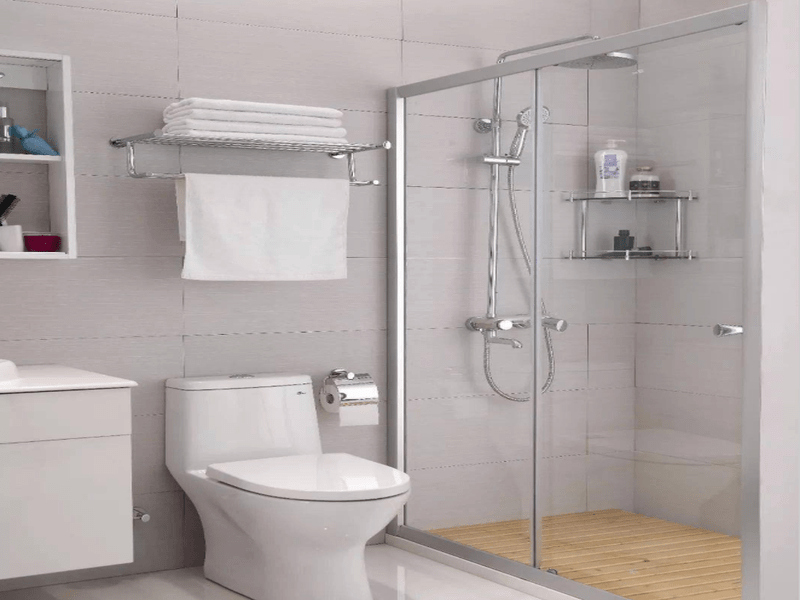
Bathroom walls are exposed to varying levels of moisture depending on the area. Wet zones—such as shower walls and tub surrounds—require fully waterproof and mold-resistant materials. Dry zones, like the area around a toilet or vanity, allow for more flexible options, including decorative finishes. Understanding this distinction helps ensure durability and prevents moisture-related issues.
Waterproofing & Mold Resistance
High humidity makes waterproofing a priority in bathroom design. Materials used in wet zones should have low water absorption rates and resist mold or mildew. Ceramic tile, fiberglass panels, and modern composites like SPC wall panels all perform well in this regard, offering reliable protection in moisture-heavy environments.
Budget Planning
Costs range widely across material types. While paint or tileboard offer affordability, they may lack long-term durability in moisture-prone environments. Mid-range options like vinyl surfaces or engineered wall panels such as SPC often provide a better balance between price and performance. It’s important to evaluate not only purchase cost, but also installation and maintenance expenses over time.
Aesthetic Compatibility
Visual appeal plays a big role in material selection. From clean minimalist surfaces to wood- or stone-like textures, the finish should reflect your preferred style. Many modern materials offer improved design flexibility without compromising function—whether through custom tile patterns, high-end wallpapers, or textured wall panels.
Installation & Maintenance
Some wall surfaces require professional installation and specialized tools, while others are designed for faster, DIY-friendly setups. Consider how much time, effort, and aftercare you’re willing to invest. For instance, SPC Wall Panel is perfect for DIYer with click installation.
Top 6 Bathroom Wall Material Options
1. Ceramic Tile
Ceramic tile has long been a favorite for bathroom walls, especially in wet areas like showers and tub surrounds. It’s highly water-resistant, easy to clean, and available in countless sizes, textures, and finishes. However, tile installation requires proper waterproof backing and grouting, typically done by a professional.
2. Bathroom Paint
Paint is a simple, affordable option best suited for dry areas such as above the vanity or around the toilet. It’s easy to apply and allows for a wide range of colors and finishes. When used in bathrooms, it’s important to choose a high-quality, mold-resistant formula with at least a semi-gloss or satin sheen for better moisture resistance.
3. Vinyl Wallpaper
Vinyl wallpaper offers more decorative freedom, making it a popular choice for accent walls or style-focused renovations. It’s relatively easy to install and wipe clean. While it’s more moisture-tolerant than traditional wallpaper, it’s still best reserved for low-humidity or dry zones, as high steam or water exposure can reduce adhesion over time.

4. Beadboard
Beadboard adds a traditional, cottage-like feel to bathrooms, often used on the lower half of walls as wainscoting. It works well in dry areas, but natural wood versions are prone to warping in humid environments. To improve moisture resistance, PVC or MDF alternatives with waterproof coatings are often recommended.

5. Tileboard
Tileboard is a budget-friendly alternative that mimics the look of real tile but is made from MDF or particle board with a printed surface. It’s easy to install and ideal for quick updates in low-moisture areas. However, it doesn’t hold up well to long-term exposure to water, and once damaged, it’s difficult to repair.
6. SPC Wall Panels
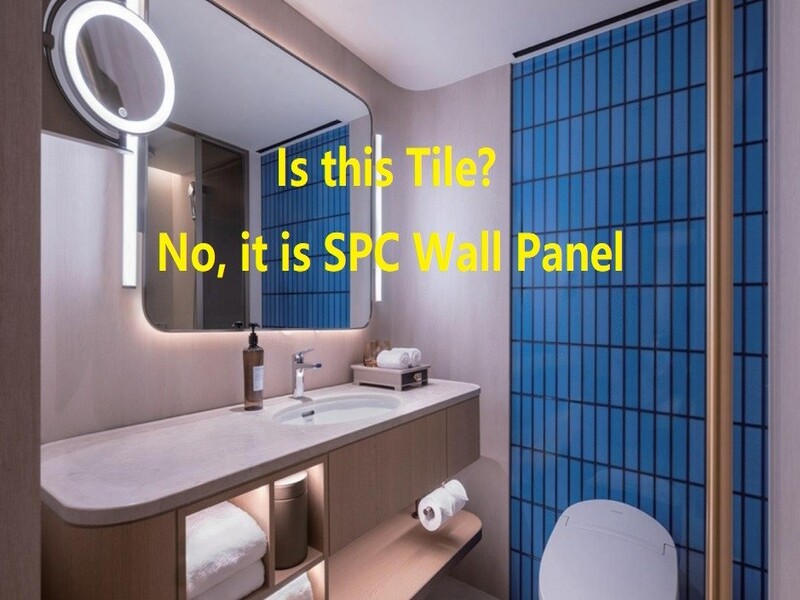
SPC wall panels—short for Stone Plastic Composite—are a modern solution designed specifically for high-moisture environments. They are completely waterproof and mold-resistant, making them suitable for use throughout the bathroom, including showers. With interlocking designs and minimal prep work, they’re easy to install and provide a clean, contemporary finish, especially useful for renovations or full-wall upgrades.
Comparison Table
| Material Type | Waterproof | Mold-Resistant | Aesthetic | Installation Ease | Wet Area Suitability | Cost Efficiency |
|---|---|---|---|---|---|---|
| Ceramic Tile | 5 | 4 | 5 | 2 | 5 | 2 |
| Bathroom Paint | 1 | 4 | 3 | 5 | 2 | 5 |
| Vinyl Wallpaper | 3 | 4 | 5 | 4 | 2 | 3 |
| Beadboard | 2 | 2 | 4 | 3 | 2 | 3 |
| Tileboard | 1 | 2 | 3 | 5 | 1 | 5 |
| SPC Panels | 5 | 5 | 5 | 5 | 5 | 3 |
Recommended Pairings by Use Area
- Wet Zones: SPC Panels, Ceramic Tile
- Dry Zones: SPC Panels, Vinyl Wallpaper, Bathroom Paint
- Half-Walls / Accents: Beadboard or Tileboard + Paint Combo
Final Thoughts
SPC wall panels provide the best balance of waterproofing, aesthetics, and ease of use, especially for modern bathrooms. But depending on your style, budget, and zone, every material on this list has a place.

 SPC Wall Panel
Leave a comment