
In SPC wall panel installation, outside corner treatment is a crucial step. Corners are not only the key points for wall connections but also essential for waterproofing, preventing cracks, and ensuring overall aesthetics.
Currently, the most common methods include 90-degree bending, curved bending, and using external corner trims. Each method has its own advantages and disadvantages in terms of construction difficulty, waterproofing, and appearance. Choosing the right method can greatly improve the installation quality and service life.
I. 90-Degree Bending

• Advantages
o Excellent waterproof performance with seamless one-piece molding.
o Clean and neat corner finish.
• Disadvantages
o High processing difficulty, requiring grooving + heating techniques.
o When grooving long boards, uneven depth may occur, potentially damaging the wear-resistant surface.
II. Curved Bending
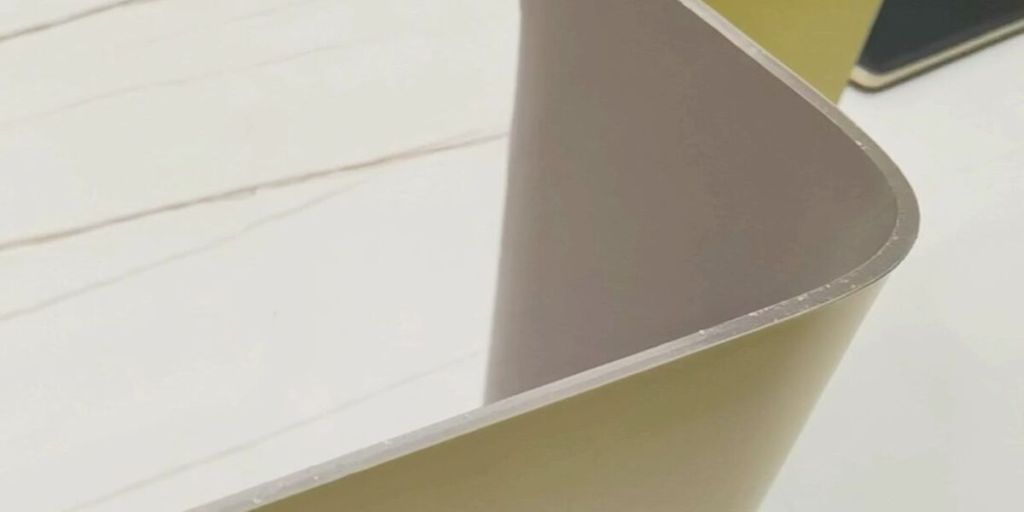
• Advantages
o Provides equally excellent waterproof performance.
o Smooth transition at corners with a softer, more natural visual effect.
• Disadvantages
o Larger curvature takes up more space.
o If the curvature is not well controlled, internal stress over time may cause bulging or deformation.
III. External Corner Trim
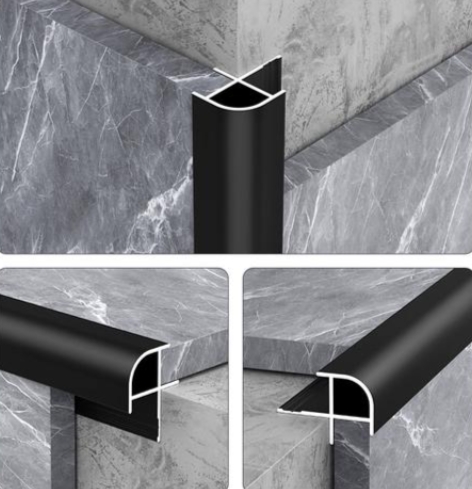
• Advantages
o Easiest installation method, simply attach the trim directly.
o Suitable for large-scale and fast construction projects.
• Disadvantages
o Slightly weaker waterproofing compared to bending methods.
o Requires silicone sealing to ensure proper waterproof performance.
Conclusion
There is no single “best” method for SPC wall panel outside corner treatment — the choice depends on the specific application. If waterproofing and seamless appearance are the top priorities, the 90-degree bending or curved bending methods are recommended. If construction efficiency and ease of installation are more important, the external corner trim is the ideal option, though proper silicone sealing is necessary. By combining these three methods appropriately, you can achieve both functionality and aesthetics while ensuring long-term durability.

 SPC Wall Panel
Leave a comment