
SPC Wall Panel is perfect for bathroom, but SPC flooring is not suitable in the situation. Although SPC flooring and SPC wall panels are made of the same material, floors are more likely to accumulate water than walls. Long-term exposure to a humid environment can affect the material.

Is SPC moisture proof ?
SPC is made from PVC and calcium carbonate under high temperature and pressure. These two materials have low water absorption, so SPC is waterproof. However, due to molecular dipole interactions, the chlorine atoms (negative poles) in PVC tend to interact with the hydrogen atoms (positive poles) in water (H₂O).
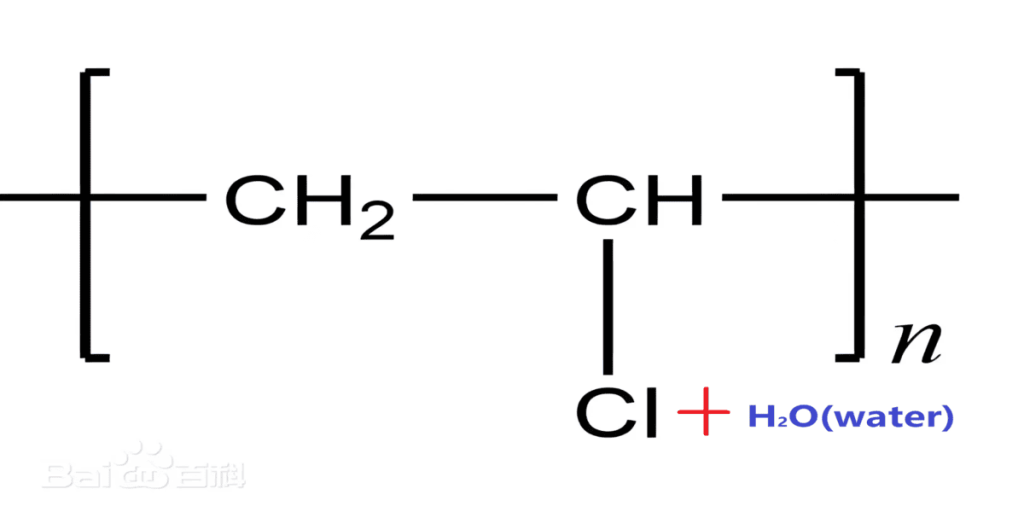
Therefore, when exposed to a humid environment for a long time, SPC can attract water molecules, which may cause deformation. So SPC is water-proof, but not moisture proof.
SPC Wall Panel can be used in bathroom
SPC wall panels have great features: they are completely waterproof, easy to install because of the click-lock design, lightweight but durable, and they stay dry since no water collects behind them. This means they won’t get damaged or swollen from moisture, making them a very good choice for bathroom wall paneling.
SPC flooring is not suitable in bathroom
Due to molecular dipole interactions, SPC flooring can easily deform when exposed to a humid environment for a long time.
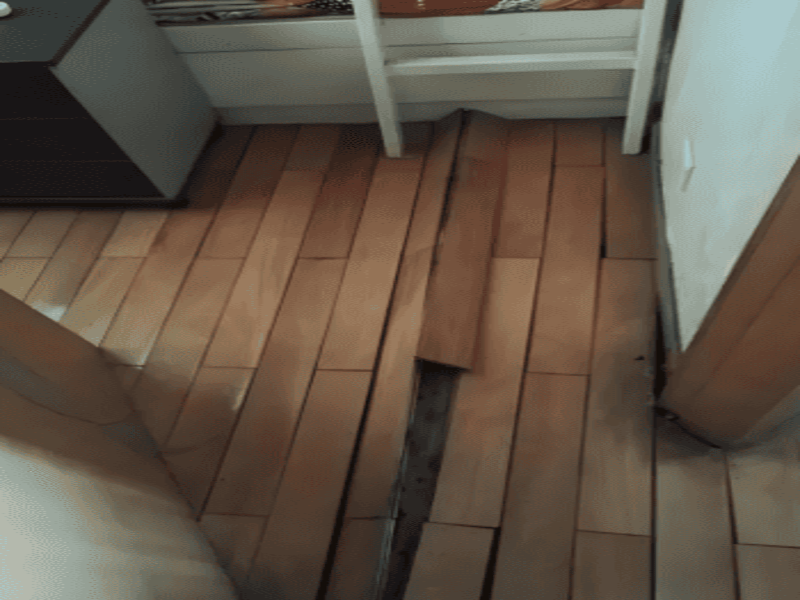
Warping: The edges start to lift slightly.
Bulging: Some planks suddenly rise up, creating a small hill.
Loosening: The tight connection between the locks becomes loose, as if they’re about to separate.
SPC Wall Panels are perfect for Bathrooms—But Not SPC Flooring
SPC is a material that is water-proof but not moisture-proof. Because of this property, SPC should not be used in applications where it stays in a humid environment for a long time, to prevent deformation caused by moisture. Therefore, according to the conditions in a bathroom, SPC wall panels can be used, but SPC flooring is not suitable.


 SPC Wall Panel
Leave a reply to Why 3.7mm is the Best Thickness for SPC Wall Panels – SPC Wall Panel Cancel reply